
Who doesn’t love a warm towel after a shower? It’s one of life’s little pleasures we take for granted. That’s why it’s so surprising when we find the towel cold or hotter than usual. The towel rail can act up sometimes like that. Some towel rails even heat in odd patches and not evenly.
Lots of people deal with this for years and don’t realise the problem often comes down to a simple thing – the valves. In most cases you only need to know how to adjust the valves or the rail itself and that’s it.
In this post, you will learn how to adjust those heated towel rail valves and everything related to that. It is all much easier than it looks at first glance, so read along.
Table of Contents
How do heated towel rails work?
The first thing you need to know is, there are two main types – water-filled rails and electric rails.
- Water-filled towel rails – They connect to your home’s central heating system. Hot water flows through the rail and warms it up. These rails depend on your boiler and the movement of water in your pipes. If your central heating is off, the rail will stay cold. Some water-filled rails have valves you can twist to control the flow and heat. When you get these right, it can make a big difference, but we will discuss those in a bit.
- Electric towel rails have a built-in heating element – They work on their own, so you do not need your central heating. Some models are fully electric, while others are dual-fuel. Dual-fuel models use the boiler, but also have an electric element. It uses electricity in case the central heating is off. That’s how you heat towels in summer.
Check also:
5 Things You Need To Know About Gas Safety
Towel rail valves: types, specifics and function
The valves control the flow of heat and thus let you adjust the temperature of the rail. Most valves sit at the bottom of the towel rail. With one on each side they may point outwards or downwards, depending on the model. You may need to crouch a bit to see them, but they are always at the lower end of the rail.
So, what are the two valves on a towel radiator for? Also, why are there two? Simply put, one controls the flow of hot water into the rail and the other controls the flow out of it. Together, they manage how fast the water moves through the towel rail. This movement affects how hot the rail gets.
Did you know that there are also different types of valves?
Manual valves
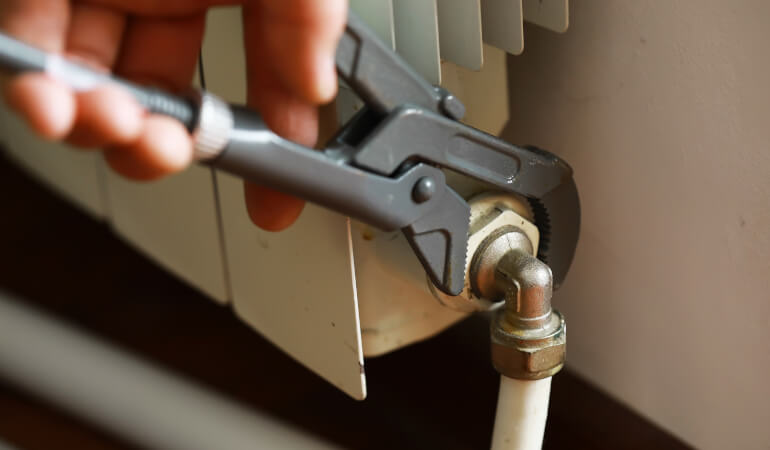
Manual valves are the simplest because they work like your basic tap. You turn them left or right and you open or close the flow of water. A more open valve gives you a hotter rail, whereas a more closed one gives less heat.
You can find these valves on most standard water-filled towel rails. They cost less and still do their job well.
They are the most straightforward and basic valves you can have. The only quirk is that you always have to operate and moderate them by hand and not all people want that.
Thermostatic valves
Thermostatic valves hold a temperature set by you. You pick the level you want with a dial or, on some fancy models, a small digital control. The valve then senses the heat of the rail. If the rail gets too warm, the valve reduces the water flow. If the rail cools down, it lets more hot water in.
This gives you steady heat without guesswork. It also helps with energy use, as the valve stops the rail from running hotter than needed. Many people like them because you set the temperature once and forget about it.
Lockshield valves
Lockshield valves help balance the whole heating system so each radiator and rail gets the right amount of heat. Without them, one room may feel far too warm while another stays cold. A lockshield valve is set only once, and that’s usually when the rail is fitted. The installer sets it to a part-closed position. This slows the flow of water just enough so the whole system heats in a steady way.
Generally, this valve is best left to a professional or someone with at least some experience and knowledge if it needs to be adjusted.
Adjusting your towel rail temperature
Now that you know what the valves do, you can set the heat to a level that feels right. You do not need special tools. You only need a bit of patience and a steady hand. A towel rail reacts slowly, so small turns work best.
Tip: Before you start, take a moment to note the current valve position, or better yet, photograph it with your phone. This helps if you want to go back later.
So, which way to turn towel rail valves? Most valves open when you turn them anti-clockwise and close when you turn them clockwise. This applies to both manual valves and thermostatic ones. If your rail has a thermostatic head, the numbers on the dial can also guide you. A higher number lets more heat in, a lower one holds the rail cooler.
When you want to adjust the towel rail temperature, turn the flow valve just a little at a time. A tiny turn can change the heat more than you expect. Wait a few minutes after each change. The rail needs time to warm up or cool down, so do not rush it.
If the rail feels too hot, close the valve a touch. If it feels too cool, open it a touch. It is all about finding the sweet spot. Once you do, you only need small tweaks now and then.
Check also:
How to Turn Off Your Radiator Without a Knob: A Step-by-Step Guide
Common towel rail problems and how to deal with them
Sometimes, situations happen that get in the way of you properly adjusting your towel rail.
Why is my heated towel rail not getting hot?
There are a few usual culprits. Go through these one by one. Usually, it’s an easy fix once you spot what’s wrong:
- Closed valves – If the valves at the bottom of the rail are partly or fully closed, hot water cannot flow properly. Turn the flow valve fully anticlockwise to open it and let water circulate. Doing this lets hot water move through the whole rail and warms it evenly.
- Air trapped inside – Air pockets can stop water from reaching the top of the rail. If the rail feels cold at the top, you need to bleed it. Open the bleed valve at the top and let air escape until water drips out. This allows the rail to fill completely with water, so heat spreads from top to bottom.
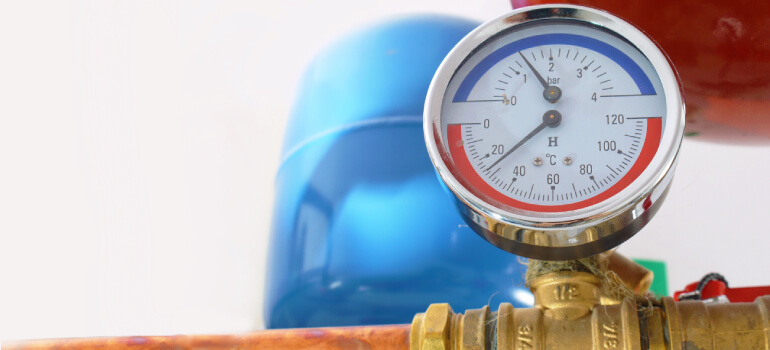
- Low boiler pressure – If the boiler pressure is too low, water may not reach the towel rail with enough force. Get a professional to check the pressure and fix any problems if needed. Proper pressure pushes water through all your radiators and rails, so they heat fully.
- Water supply issues – Sometimes the pipe feeding the rail is partly blocked or closed. Check the supply pipe and make sure water can flow. If it cannot, the rail will stay cold no matter what you do. Clearing the blockage or opening the pipe restores the flow.
- Boiler not firing right – Even if your main radiators get hot, the towel rail may remain cold. The likely reason is flow issues due to closed valves or trapped air.
- Recent work on the system – If someone recently worked on your pipes, valves may need fine-tuning. Turning them slightly and checking the temperature helps balance the system, so each rail and radiator gets the right amount of heat.
Check also:
Your Domestic Water Pressure is Too High? Find Out What To Do!
Why is my towel rail only hot at the bottom?
Most likely air is trapped inside or the flow valve is not being fully opened. Air pockets stop hot water from reaching the top bars, so the heat gets stuck at the bottom.
The fix is simple. First, check the flow valve and make sure it is fully open. Then bleed the rail to release any trapped air. Most rails have a small bleed valve near the top. Use a radiator key or a small screwdriver to turn it slowly until water starts to come out. Keep a cloth handy for drips. Once the air escapes, the heat should spread evenly from top to bottom.
Why is my heated towel rail making a banging sound?
You may hear odd bangs and wonder what’s causing these banging sounds. This often comes from trapped air, loose pipes, or water hammer in the system.
Bleed the rail first. Then check that the pipes do not sit loose against a wall or floorboard. A small shift can stop the noise. If the banging keeps coming back, call a pro. Some noise issues need tools and special know-how.
Check also:
How to Fix a Leaking Boiler Pipe
Taking care of your boiler and heating problems
Some towel rail problems need more than a quick twist of a valve. Some jobs are best left to a qualified professional. This is because the rail, its valves, and the boiler all link to each other. If one part goes wrong, it can affect the safety and efficiency of the whole system.
You can do simple things at home on your own. But if the rail stays cold, makes odd noises, or leaks, it may point to a deeper fault. The same goes for a boiler that keeps losing pressure or fails to heat the rail at all.
A heating engineer or plumber can check the system properly. They know how the valves should sit, how the pipes should flow, and how the boiler should behave. This keeps your home safe and stops you from causing more damage by accident. If a problem keeps coming back, or if anything feels off, it is best to call a pro. They sort it fast and save you a lot of stress.
Does your home feel a little too cool? Schedule a boiler & heating service today!
Enter your postcode to view our rates and availability in your area.
For questions about the services we offer visit our main site
Takeaways
- Most towel rail problems come from the valves, not the rail itself.
- Each valve has a job: one lets hot water in, one lets it out, and the lockshield keeps the whole heating system balanced.
- A towel rail reacts slowly, so make small turns when you set the temperature.
- Not everything you can do yourself. Problems like boiler faults, leaks or pressure loss need to be checked by a heating engineer.

Leave a Reply